

How Is Crypto Taxed? (2025) IRS Rules and How to File
Wondering how crypto taxes work and how to report cryptocurrency on your taxes? Our crypto accountants have your answers!
Crypto audits begin with a mismatch between broker forms and the return, or with data from a John Doe summons, and they ask for every wallet and exchange you have controlled. Missing cost basis is treated as zero. With a power of attorney on file, the IRS communicates with us, we reconstruct the records under privilege before anything is produced, and the same attorneys handle the appeal and the Tax Court case if the examination gets that far.
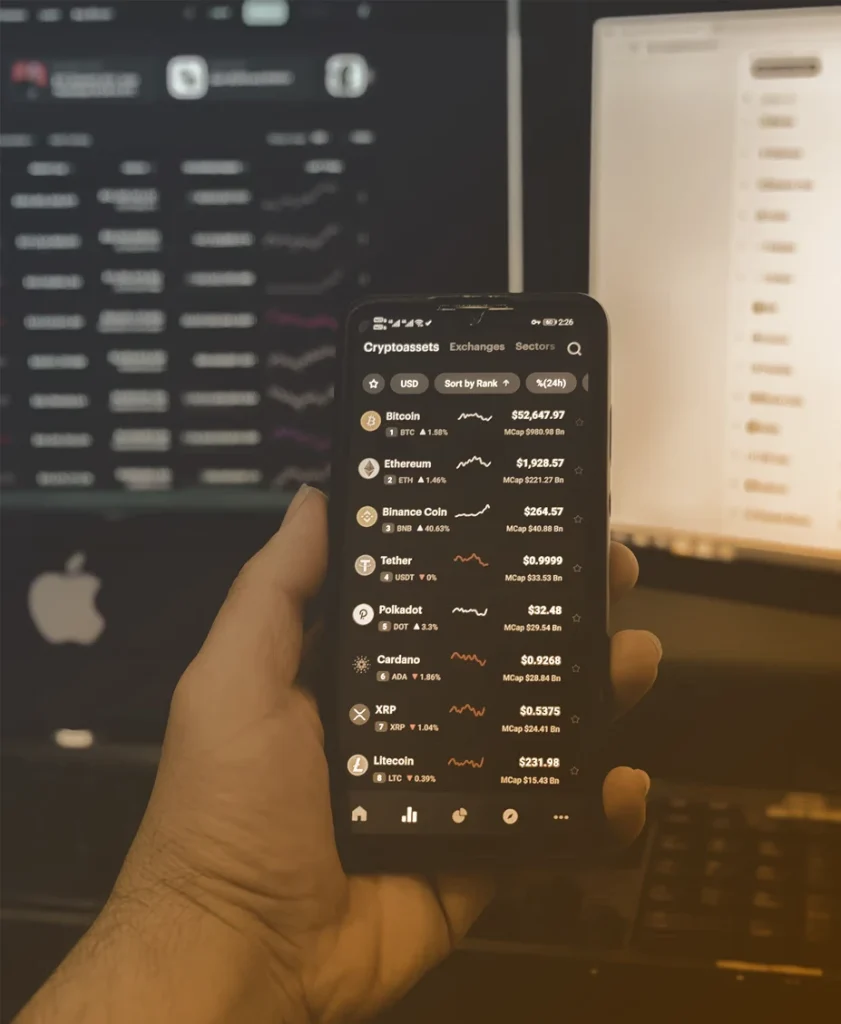
The examiner will request exchange statements, wallet addresses, and a transaction history, often through the Historical Digital Asset Form, and will compare the answers to on-chain analytics. An incomplete disclosure is treated as concealment. So the first step is a full reconciliation of every wallet and exchange, done by our CPAs under the attorney’s engagement, so we know what the records show before the IRS asks. Then the production is managed to answer what was asked, the interview happens through counsel, and the positions on unsettled questions are documented.
The parts of a crypto examination that differ from an ordinary audit.
An examination letter states the years and the items. The examiner requests records, increasingly using the Historical Digital Asset Form to ask for every wallet and account you have held, and compares your reconstruction to the exchange data and analytics the IRS already has. Adjustments are proposed in a report; you can agree, appeal within 30 days, or petition the Tax Court after a notice of deficiency.
Usually a mismatch: Form 1099-DA or 1099-B proceeds that exceed what the return reported, a 1099-MISC for staking rewards that never appeared, or a “no” answer to the digital asset question when the IRS holds contrary data. John Doe summons returns from Coinbase, Kraken, Poloniex, and others have driven a second wave. How the IRS finds unreported crypto
Three years from filing normally, six years if the return omitted more than 25 percent of gross income, and without limit for fraud or years never filed. The IRS has also argued that a pending John Doe summons suspends the clock, which is why letters to Poloniex customers in 2025 and 2026 reached back to 2016. Assessment statute of limitations
Two reasons. Reconstructing unreported activity reveals what was missed; with an attorney that work is privileged, with a preparer it may be evidence. And a crypto audit that finds intent becomes a criminal referral; managing an examination so it stays civil is legal work. Only an attorney can take the case to Tax Court if the result is wrong.
If adjustments stand, the appeal window is 30 days from the examination report and the Tax Court window is 90 days from the notice of deficiency. Penalties are often removable even when tax is owed, and the resulting balance can be paid over time or settled through the collection process. Appeals or Tax Court


If you know past years are unreported and no letter has arrived, the audit is still avoidable. Amended returns for non-willful omissions, or the Voluntary Disclosure Practice where the omission may have been willful, correct the years before the IRS makes contact, and the IRS is generally more lenient with taxpayers who come forward. The reconciliation is the same work either way; doing it now, under privilege, is the difference between a correction and an examination. The Voluntary Disclosure Program
Wondering how crypto taxes work and how to report cryptocurrency on your taxes? Our crypto accountants have your answers!
Navigating a tax audit can seem intimidating, but it doesn’t have to be a stressful ordeal. With the right knowledge and preparation, anyone can handle this process smoothly.
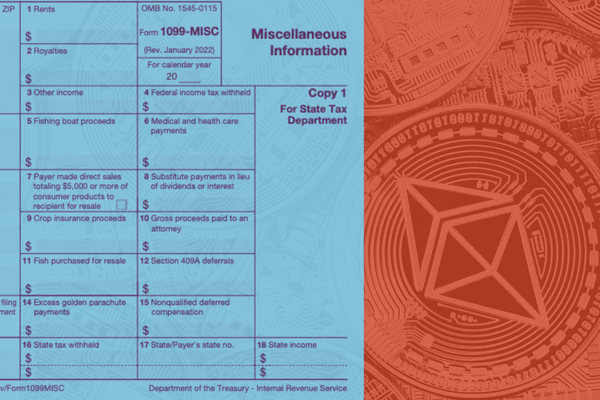
Confused about crypto staking taxes? Our crypto accountants are here to help! Learn how to report staking rewards on your tax return.

Are you getting error messages in your cryptocurrency tax software? Do the numbers seem way off? Don’t give up hope! Here are
Founded in 2012 by a tax attorney and CPA. Crypto tax since 2014.
The attorneys, accountants, and client team you will work with.
Press coverage, testimony, and publications.
Attorney, accounting, and client success roles in Skokie.
The firm
Tax, crypto, and business law for clients in all 50 states, from an office in Skokie, Illinois. Every matter is staffed by an attorney, with Gordon Tax handling the accounting alongside.
4709 Golf Road, Suite 1100
Skokie, IL 60076
(847) 580-1279
IRS letters, audits, unreported years, returns.
Foreign accounts, expats, offshore disclosure.
Audits, tax debt, criminal exposure, Tax Court.
Written analysis at a stated confidence level.
Asset protection for individuals and businesses; private company deals.
Attorney-reviewed returns and planning.
Video explainers, testimony, and the firm's work in Washington.
The questions people ask before they call, answered.
Six questions, two minutes, a clear answer.
Bloomberg Tax, Fortune, CNBC, and the IRS hearing record.
Tell us what is going on. A member of our client success team follows up, explains how we work, and matches you with the right attorney. Or call (847) 580-1279.